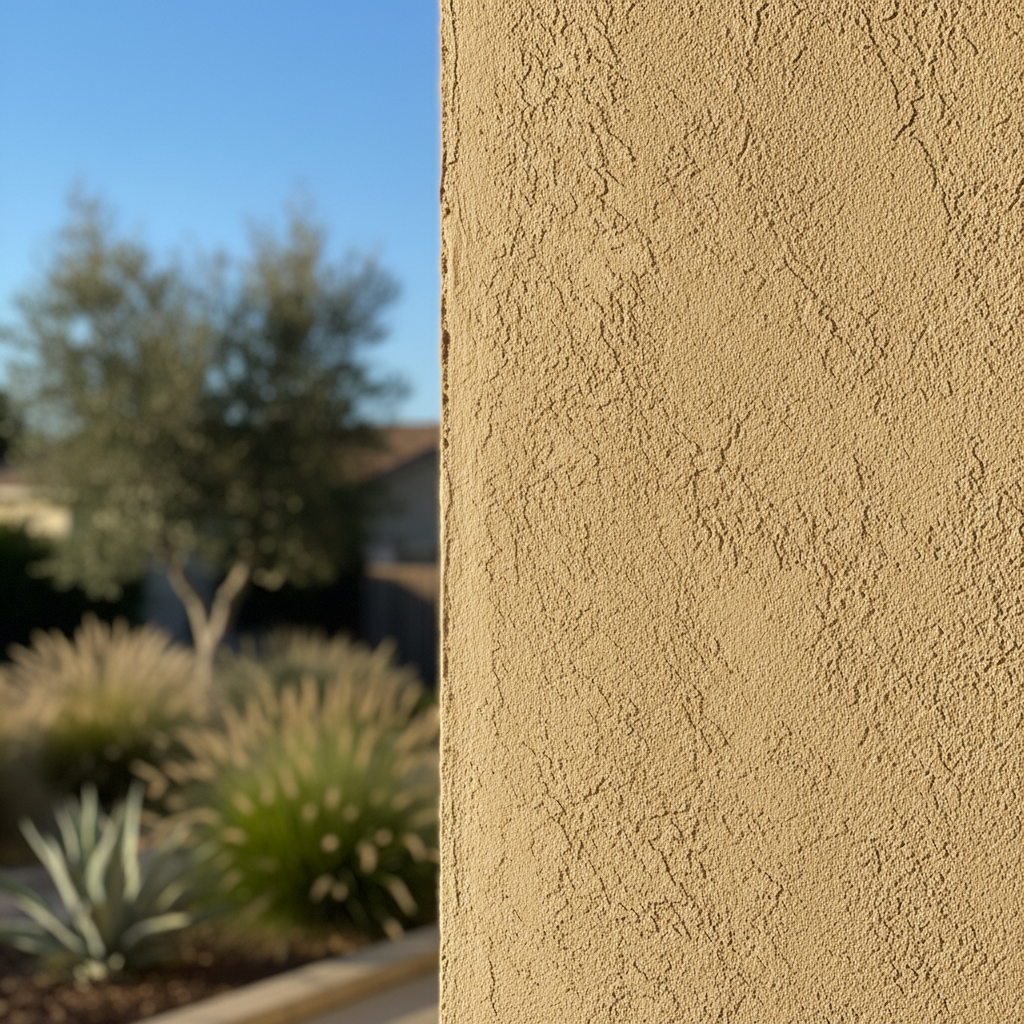
Alright, let's talk about stucco. You have it on your Long Beach home, and you probably do not think about it much until you see something wrong. But here is the deal: a little proactive checking can save you from big, expensive headaches later on. We have seen it countless times here at Synergy Stucco Long Beach. Stucco is tough, but it is not invincible, especially with our coastal air and the occasional heavy rains here in Long Beach, California. This guide will walk you through what you can realistically do yourself and when it is smart to call in a professional stucco contractor.
Before You Start Looking: Get Ready
Before you even step outside to inspect your stucco, grab a few things. You will want a notepad and a pen, or your phone for notes and pictures. A good flashlight is also important, and maybe a small, soft rubber mallet or a plastic handle from a screwdriver. That last one sounds a little weird, but trust us, it is useful for checking the stucco. You will also want to make sure you have good lighting for your stucco inspection. Daylight is best for this, but a strong flashlight helps for shaded areas or if you are inspecting at dusk.
Understand what kind of stucco you have on your Long Beach home. Most homes around here, especially the older ones in places like Belmont Shore or Bluff Park, have traditional three-coat stucco. This is a cement-based plaster, and it is solid and very durable. Some newer homes in Long Beach, or those with specific insulation needs, might have EIFS, which stands for Exterior Insulation and Finish System. This is sometimes called synthetic stucco. EIFS feels different; it is more flexible and often sounds hollow when you tap it, unlike the solid thud of traditional stucco. Knowing what kind of stucco you are dealing with helps you understand what you are looking for during your inspection.
Your DIY Visual Stucco Inspection: What to Look For
This is where you become your Long Beach home's first line of defense for your stucco. You are looking for signs that your stucco might be compromised. Do this visual stucco inspection at least once a year, maybe twice if we have had a particularly wet winter or a hot, dry summer here in Long Beach, CA.
- Cracks: This is probably the most common thing you will see on stucco. Hairline cracks are usually just cosmetic and happen as the house settles or with temperature changes. Our temperature fluctuations in Long Beach, especially with that marine layer, can cause stucco to expand and contract, leading to these small cracks. But if you see cracks wider than about 1/16th of an inch, or cracks that run diagonally from windows and doors, or vertically from the foundation, those are red flags. These types of cracks can mean structural movement or that water is getting in behind the stucco.
- Discoloration and Stains: See dark streaks on your stucco, especially below windows, near the base of the wall, or around fixtures? That is usually water. White, powdery stuff, which we call efflorescence, means water is moving through the stucco and leaving mineral deposits behind. Both of these are signs that moisture is getting where it should not be on your stucco surface.
- Bulging or Blistering: If parts of your stucco look like they are puffing out or bubbling, that is a big problem. It means the stucco is separating from the wall underneath, usually because of trapped moisture. Tap these areas gently with your rubber mallet or plastic handle. If it sounds hollow when you tap it, that is a strong indicator of delamination, which means the stucco is coming loose.
- Soft Spots: Press firmly on the stucco, especially in discolored areas or near cracks. Healthy stucco should feel hard. If it feels soft, spongy, or crumbles, you have moisture damage, and that is a serious issue that needs immediate attention from a stucco professional.
- Around Windows, Doors, and Penetrations: These are critical areas for stucco integrity. Look for gaps in the caulk or sealant around windows, doors, pipes, and electrical outlets. These are common entry points for water to get behind the stucco.
- Weep Screeds and Ground Clearance: At the very bottom of your stucco wall, there should be a metal strip called a weep screed. It is designed to let any water that gets behind the stucco drain out. Make sure it is not buried by dirt, landscaping, or concrete. You need at least 4 to 6 inches of clear space between the bottom of your stucco and the ground. If it is buried, water can wick up into your walls and cause damage.
When to Call a Professional Stucco Contractor: Beyond DIY
You have done your visual stucco inspection, and maybe you have found some things that worry you. Or maybe you just want peace of mind about your stucco. This is when you bring in the experts. Here is what Synergy Stucco Long Beach does that you cannot easily do yourself:
- Moisture Testing: A professional stucco inspector uses specialized tools like non-invasive moisture meters to detect hidden water behind the stucco, even if there are no visible signs on the surface. We will check around windows, doors, and other high-risk areas for moisture. If those non-invasive meters show high readings, we might recommend invasive testing, which involves drilling small holes to get a more accurate picture of moisture levels inside the wall.
- Flashing and Drainage Assessment: We will look closely at your flashing, which are the metal or plastic pieces that direct water away from vulnerable spots around roofs, windows, and doors. Improper flashing is a common cause of water intrusion into the stucco system. We will also assess your overall drainage to make sure water is not pooling against your foundation.
- Structural Integrity Check: If you have significant cracks, bulging, or soft spots in your stucco, a professional stucco contractor can determine if it is just a surface issue or if there is underlying structural damage to your home's framing.
- Identifying Hidden Issues: Sometimes, stucco problems are not obvious. Things like improper installation, missing weather barriers, or issues with the underlying lath can only be found by someone who knows what to look for and has the right equipment for stucco inspection.
- Detailed Reporting and Recommendations: After a thorough stucco inspection, you will get a detailed report outlining any issues, often with photos, and clear recommendations for repair. This is very helpful for understanding the scope of work and getting accurate quotes for your stucco repair.
Here at Synergy Stucco Long Beach, we recommend a professional stucco inspection every 3 to 5 years, or immediately if you notice any of the red flags we talked about. Catching stucco problems early is always cheaper and less disruptive than waiting until they have caused major damage like mold or rot in your Long Beach home.
After the Stucco Inspection: What's Next?
So, you have had your stucco inspected, either by yourself or with a professional. Now what?
- Minor DIY Fixes: If you only found small hairline cracks in your stucco, you can usually seal these yourself with an elastomeric or acrylic-based caulk. Make sure it is paintable if you plan to match your stucco color. Keep your weep screeds clear of debris. Clean your stucco gently with a garden hose and a soft brush, not a high-pressure washer, which can damage the finish and force water into the wall.
- Professional Stucco Repairs: For anything beyond hairline cracks, significant discoloration, bulging, soft spots, or confirmed moisture intrusion, you will need professional stucco repair. Do not try to patch large cracks or areas of delamination yourself; you could make the problem worse. A good stucco contractor will address the root cause of the damage, not just cover it up.
- Regular Monitoring: Even after stucco repairs, keep an eye on your stucco. Walk around your house periodically, especially after heavy rains, to make sure new issues are not developing.
Your stucco is a big part of your Long Beach home's protection and curb appeal. Taking the time to understand its condition and acting when something is not right is just smart homeownership. It is how you keep your Long Beach home looking great and staying solid for years to come.