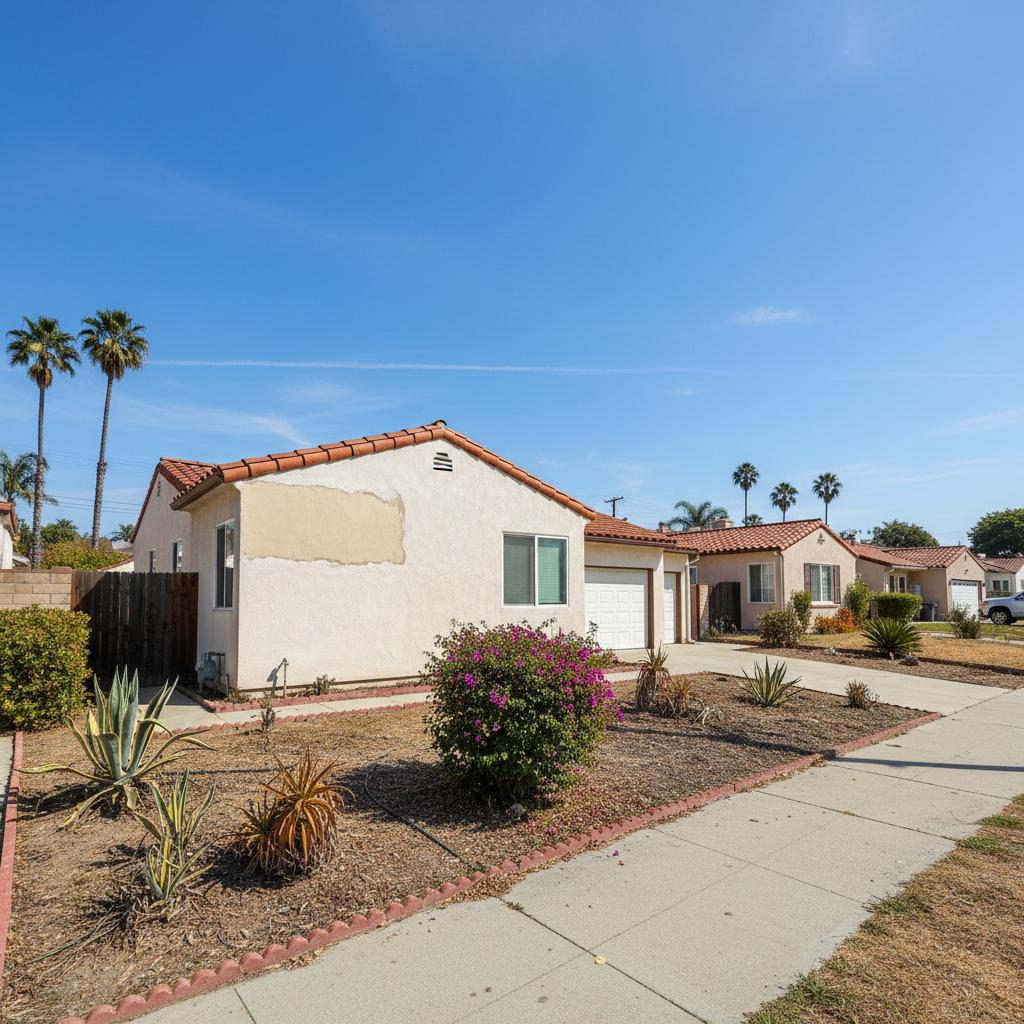
Why Stucco Cracks Happen Here in Long Beach
You see it all the time around Long Beach, don't you? Whether you're cruising through Belmont Heights admiring a classic Craftsman or checking out a mid-century modern in Park Estates, stucco cracks are just... there. And honestly, it's not just about how they look; those cracks often signal something bigger going on underneath. I've been in this business for years, and I can tell you, the reasons for stucco damage here are pretty unique to our little corner of California.
First off, we've got a ton of older homes. Many of them were built with traditional three-coat stucco systems, which are tough, sure, but they've also been through decades of wear and tear. You'll get those tiny hairline cracks just from normal settling, especially with our local soil. We don't get massive earthquakes every day, but the ground definitely shifts and settles over time, and that puts stress on your home's exterior. Then there's the sun. That relentless California sun just bakes stucco day in and day out, causing it to expand and contract. Over time, that thermal stress simply wears the material down.
But the big one, the thing that really keeps me busy, is water getting in. Our coastal climate means we deal with that marine layer, fog, and the occasional heavy rain. If your stucco wasn't installed perfectly, or if it's just old and has lost its strength, water will find a way in. Once water gets behind the stucco, it can cause all sorts of headaches: dry rot in the sheathing, mold, and even structural damage. You'll often spot it as dark streaks, bubbling, or soft spots. Seriously, don't ignore those.
Common Stucco Repair Projects We Tackle
So, what kind of repairs do we usually end up doing? It's a pretty wide mix, but here are the common ones I see:
- Hairline Crack Repair: These are usually just cosmetic, but they can be a sneaky entry point for water. We clean them out and fill them with an elastomeric sealant that can flex right along with the house.
- Impact Damage: A car bumper, a ladder that slipped, or even a kid's bike can leave a nasty gouge. We'll patch it up, blend it in, and make it vanish.
- Water Damage Remediation: This is the big one, no doubt about it. If water got in, we're not just patching the hole and walking away. We have to figure out *how* it got in, remove the damaged stucco (and often the sheathing behind it), deal with any rot or mold, and then rebuild the stucco system the right way. This usually means fixing flashing around windows and doors, which are often weak spots.
- Delamination or Spalling: This happens when the stucco starts separating from the wall or flaking off. It's usually a sign of moisture issues or a poor original application. We'll remove the loose stuff and re-apply.
Each of these needs a specific approach, you know? You can't just slap some caulk on a water-damaged area and call it a day. That's a temporary fix that'll only cost you more down the road.
Why Local Expertise Isn't Just a Buzzword
Look, anyone can patch stucco. But doing it *right*, especially here in Long Beach, takes a very specific kind of know-how. We understand the local building codes, which are always changing and can be pretty strict, especially when it comes to waterproofing and seismic stuff. We know the common architectural styles – whether it's the smooth finish on a modern build in Naples or the sand finish on a Spanish Revival in Bluff Park – and how to match them perfectly.
More importantly, we've seen firsthand how our specific weather patterns affect different stucco systems. We know where the vulnerabilities are in homes built in the 50s versus those built last year. We're not just patching; we're often diagnosing and preventing future problems. For example, if you've got a north-facing wall that's constantly damp from the marine layer, we might suggest a different type of finish or a more robust waterproofing membrane during the repair.
When you call Synergy Stucco Long Beach, you're not just getting a crew that knows how to mix cement. You're getting guys who understand the local environment, the history of our homes, and what it takes to make a repair last against everything Long Beach throws at it. Don't let a small crack turn into a major headache. Get it looked at by someone who knows our city inside and out.