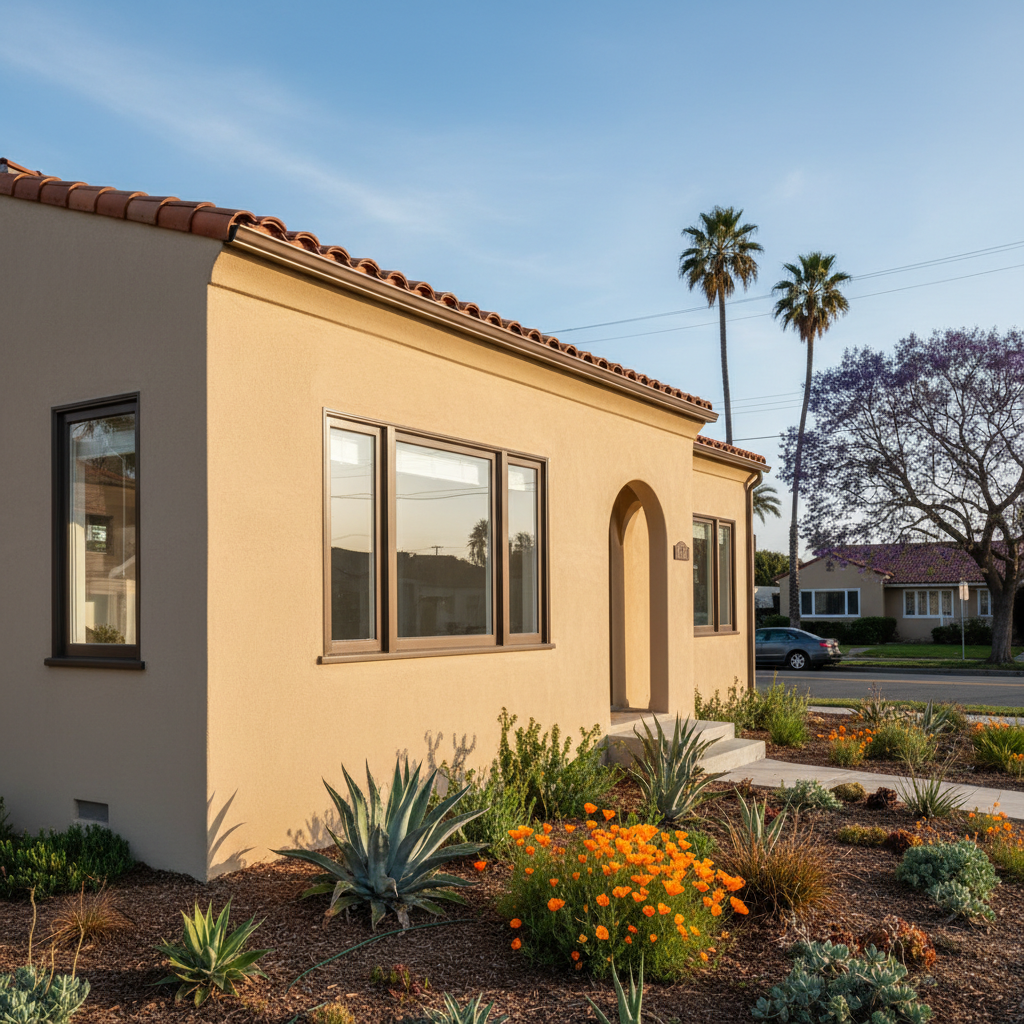
Alright, Long Beach homeowners, let us get real about stucco. You have got a beautiful home, maybe a classic Spanish Colonial in Belmont Shore or a Craftsman in Bluff Park, and you want that exterior to last. The thing is, our coastal climate here in Long Beach is unique, and it really affects how stucco behaves. You cannot just slap it on any old time and expect it to hold up. I am here to tell you when to schedule your stucco work, what weather to watch out for, and how to keep that investment solid for many years.
The Best Time to Schedule Stucco Work in Long Beach
When you are thinking about a big stucco project, timing is everything. For the best results, you are looking for mild, stable weather. That means:
- Late Spring and Early Fall are Your Best Bets: These seasons generally offer consistently warm temperatures, typically between 50°F and 85°F, and a lower risk of heavy rain. These conditions are ideal because they allow the stucco to dry and cure evenly.
- Watch Out for Extreme Heat: While our Long Beach summers are beautiful, extremely hot days, anything over 90°F, can cause stucco to dry too quickly. This can lead to surface cracks. If you have to do work in the summer, we will need to manage moisture levels carefully to prevent this from happening.
- Winter is Not Ideal for New Installs: Our winters are not harsh, but the increased chance of rain and cooler temperatures can slow down the curing process. Stucco should not be applied in the rain because it can ruin the curing and weaken the material. Plus, if temperatures drop below 40°F, it is generally a no-go for application.
The goal is to give each layer of stucco enough time to dry and cure properly. Each coat needs a few days to dry, and the full curing process can take up to 90 days for maximum strength. Rushing it can lead to problems down the road, and nobody wants to deal with that.
How Long Beach's Climate Affects Stucco
Our beautiful proximity to the Pacific Ocean comes with some trade-offs for your home's exterior. Here is what we deal with:
- Salt Air and Marine Layer: The salt air and marine layer fog are constant companions here. Over time, salt air can break down exterior coatings, and coastal humidity can lead to cracks and moisture intrusion if your stucco is not properly installed and maintained. That is why marine-grade finishes and proper moisture barriers are so important in Long Beach.
- Sun Exposure: We get a lot of sun, and that UV exposure can cause fading and surface degradation, especially on west and south-facing walls.
- Temperature Fluctuations: Even though our climate is mild, the temperature shifts between warm days and cooler nights can cause stucco to expand and contract. This stress can lead to cracks in the finish.
These factors mean that a properly installed stucco system in Long Beach needs to be solid. We are talking about a durable, multi-layered coating system with a weather-resistant barrier and proper lath to form a strong, water-resistant shell. Synergy Stucco Long Beach always accounts for these local conditions in our work.
Protecting Your Stucco Investment Year-Round
Once your stucco is looking sharp, you want to keep it that way. Here is what you can do:
- Regular Inspections are Key: Do not wait until you see big problems. Walk around your house a few times a year, especially after any significant weather events. Look for hairline cracks, bulging areas, or any discoloration. Catching small issues early can prevent them from becoming major, costly repairs.
- Address Cracks Promptly: Even small cracks can let moisture in, leading to bigger problems like mold or damage to the underlying structure. If you see cracks, get them repaired. For anything beyond hairline cracks, it is best to call a professional.
- Keep it Clean: Dirt, dust, and even mildew can accumulate on stucco. A gentle cleaning can go a long way. Just be careful with pressure washing because too much force can damage the surface.
- Maintain Landscaping: Keep plants and shrubs trimmed back from your stucco walls. This helps with airflow and prevents moisture from getting trapped against the surface.
- Consider Protective Coatings: Specialized elastomeric or acrylic coatings can refresh your stucco's appearance and add an essential layer of protection against our coastal elements.
Your home is a big investment, and its stucco exterior is its first line of defense against the elements. By understanding our local climate and taking a proactive approach to maintenance, you will make sure your stucco stays beautiful and strong for decades.