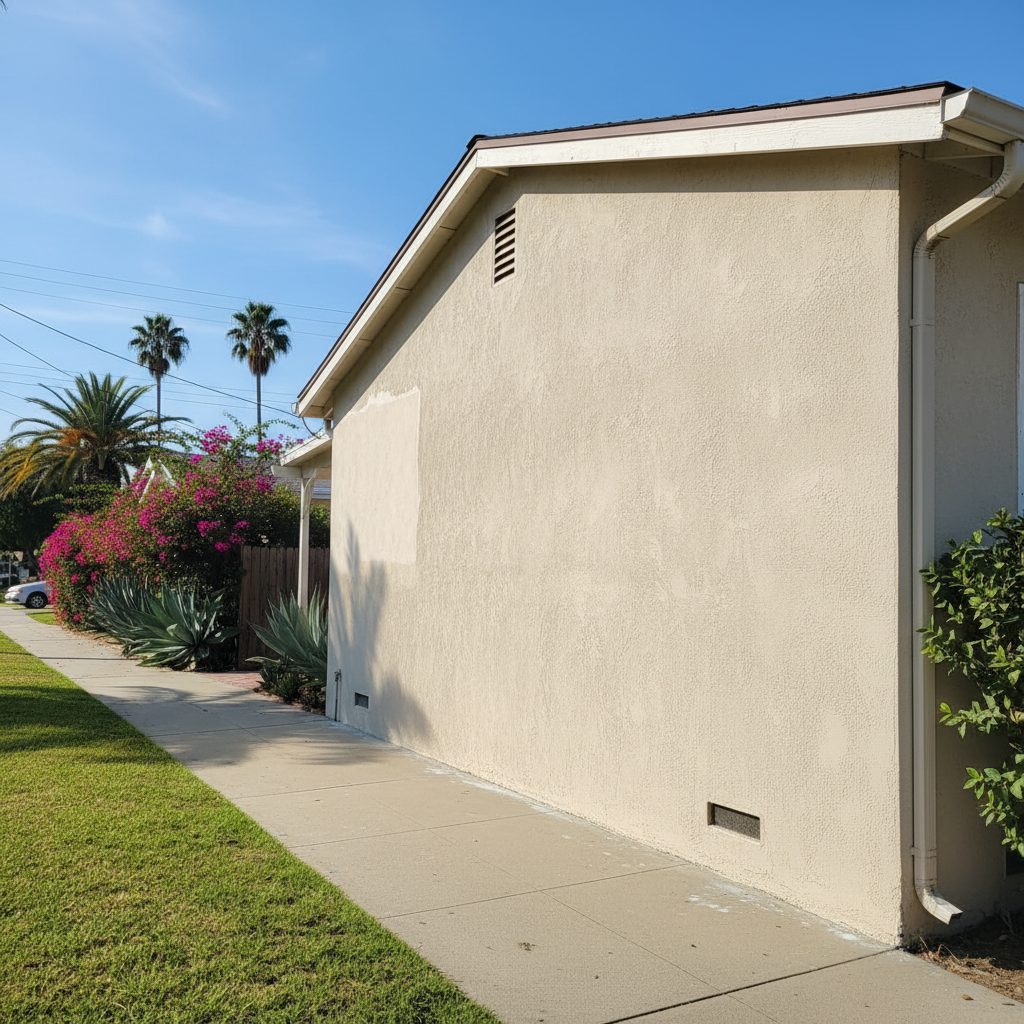
Alright, so you need some stucco work done on your house here in Long Beach. Maybe it's a repair, maybe a whole new finish. Whatever it is, you want it done right, and you don't want to get ripped off. I get it. I've been doing this for a long time, and I've seen the good, the bad, and the downright ugly when it comes to contractors. Here's my advice on how to find someone decent.
Start with the Right Questions
When you're talking to potential contractors, don't be shy. You're hiring them, so you've got every right to ask tough questions. Here are a few I'd hit them with:
"How long have you been doing stucco specifically?" You don't want a general handyman who 'also does stucco.' You want a specialist. Stucco's a craft, not a side gig.
"Can you provide references from recent jobs, preferably in Long Beach?" And then actually call them. Ask about communication, timeliness, and if they'd hire them again.
"What kind of warranty do you offer on your work?" A reputable contractor will stand behind their work for at least a few years. If they hem and haw, that's a warning sign.
"How do you protect my property during the job?" Good contractors will talk about masking, drop cloths, and keeping the site clean. You don't want stucco dust all over your prized rose bushes.
"Who will actually be doing the work? Your employees or subcontractors?" There's nothing wrong with subs, but you want to know who's accountable and if they're properly insured too.
Understanding the Quote: More Than Just a Number
When you get a quote, don't just look at the bottom line. You need to understand what you're paying for. A good quote should be detailed, not just a single price for 'stucco work.'
Breakdown of Materials: It should list the type of stucco system (e.g., three-coat traditional, one-coat, synthetic), the brand of materials, and quantities. This is especially important in our coastal climate where salt air can be tough on some finishes.
Labor Costs: How are they calculating labor? Is it per square foot, or a flat rate? This helps you compare apples to apples.
Prep Work: What's included in the preparation? This is crucial. Does it cover power washing, patching existing damage, removing old trim, or repairing sheathing underneath? A lot of problems come from poor prep.
Cleanup and Haul-away: Make sure it's explicitly stated that they'll clean up the site daily and haul away all debris when the job's done. You shouldn't be left with a dumpster full of old stucco.
Payment Schedule: A reasonable payment schedule usually involves a down payment (often 10% or a fixed amount, but rarely more than 30% for residential jobs in California), progress payments, and a final payment upon satisfactory completion. Be wary of anyone asking for a huge chunk upfront.
Red Flags You Can't Ignore
Some things should make you walk away, no questions asked. Trust your gut on these:
Unsolicited Door-to-Door Offers: If someone shows up out of the blue saying they noticed damage and can fix it cheap, that's a huge red flag. Legitimate contractors don't usually operate like that.
Cash-Only Deals: This is a classic scammer move. It means they're probably trying to avoid taxes, and if something goes wrong, you'll have zero recourse.
No Contract or a Vague One: Everything should be in writing. If they're unwilling to put all the details in a clear, comprehensive contract, don't hire them.
High-Pressure Sales Tactics: "This price is only good today!" or "I've got a crew in the neighborhood, so I can give you a discount if you sign now!" Run. Good work speaks for itself, it doesn't need high-pressure sales.
Refusal to Provide Proof of Insurance/Licensing: This isn't optional. It's a must. If they don't have it, you're opening yourself up to massive liability if someone gets hurt on your property.
Verifying Legitimacy: Do Your Homework
Before you sign anything or hand over money, you need to verify they're a real, legitimate business. It's easier than you think.
Check Their License: In California, you can go to the Contractors State License Board (CSLB) website. Look up their license number. Make sure it's active, in good standing, and for the correct classification (stucco falls under C-35, Plastering). Synergy Stucco Long Beach, for example, holds all the necessary licenses and insurance.
Verify Insurance: Ask for a Certificate of Insurance directly from their insurance carrier. You want to see General Liability and Workers' Compensation. If they don't have Workers' Comp, you could be on the hook if one of their uninsured workers gets injured on your property.
Online Reviews: Check Google, Yelp, and other local review sites. Don't just look at the star rating; read the reviews. Look for patterns in complaints or praise.
Physical Address: Do they have a real business address, or just a P.O. Box? A physical location adds a layer of credibility.
It might seem like a lot of steps, but taking the time upfront to vet your contractor can save you a ton of headaches, money, and stress down the line. A good stucco job protects your home and looks great for years, so it's worth doing it right.