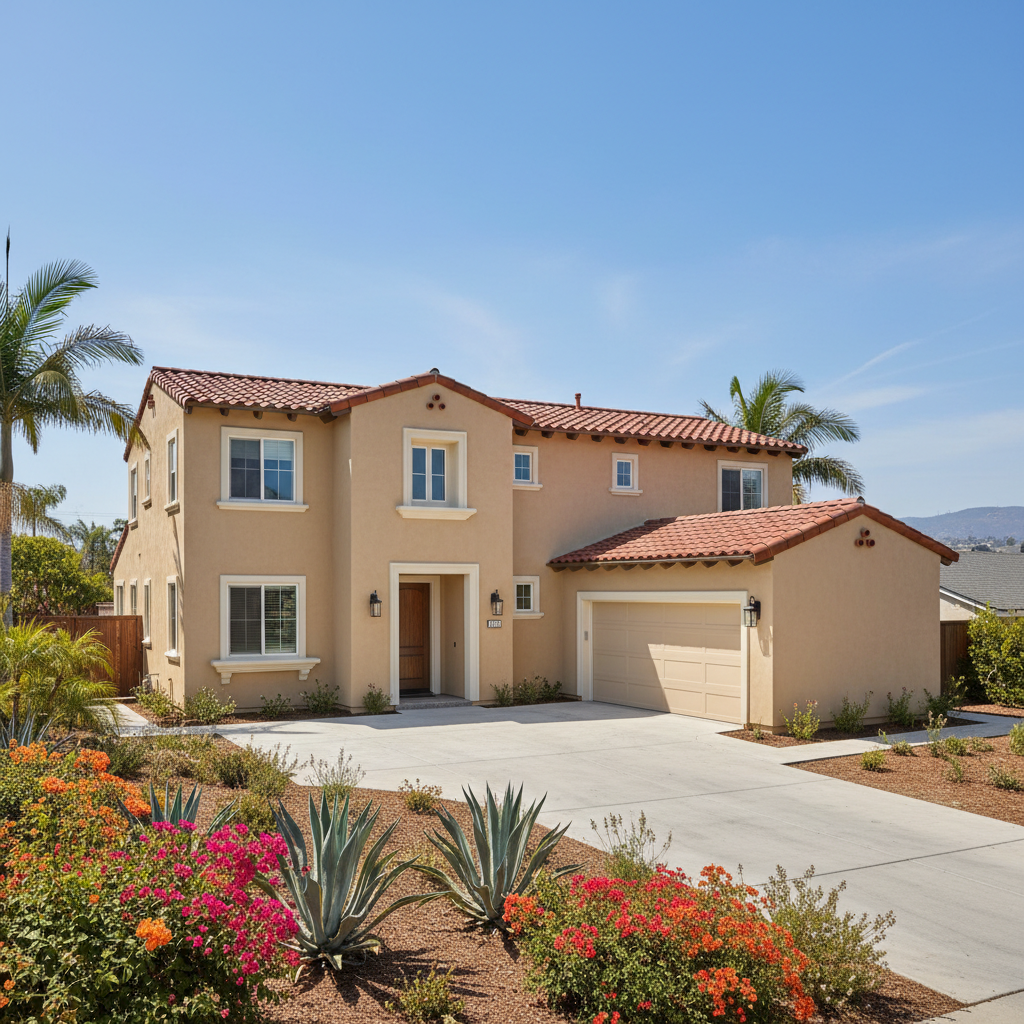
So, you're looking at a commercial stucco project here in Long Beach. Maybe you're sprucing up a storefront on 2nd Street, or giving an apartment complex in Alamitos Beach a fresh, durable look. Whatever it is, you've got a big job ahead, and you want it done right. As someone who's been doing this for years, I've seen a lot of projects, good and bad. Planning is key, and that's what I want to talk about today.
Understanding the Project Timeline
Let's talk about how long this whole thing takes. It's not an overnight job, that's for sure. A commercial stucco project has several phases, and each one needs its time.
- Initial Consultation & Estimate: This is where it all starts. You call us, we come out, look at your building, talk about what you want, and give you a detailed estimate. This can take a few days to a week, depending on how complex the job is and how quickly we can schedule a visit.
- Permitting: This is a big one, and it's often the most unpredictable part. For commercial work, you'll definitely need permits from the city of Long Beach. This can take anywhere from a couple of weeks to a couple of months, sometimes even longer if there are specific historical district requirements or complex structural changes involved. We'll help you with the paperwork, but the city sets the pace here.
- Material Procurement: Once permits are in hand, we order all the materials. Stucco, lath, trim, scaffolding, everything. This usually takes a week or two, but supply chain issues can sometimes cause delays. Good planning helps us get ahead of this.
- On-Site Work: This is the actual construction phase. Depending on the size of your building and the scope of work, this could be anywhere from a few weeks for a smaller facade to several months for a large commercial building. We're talking about setting up scaffolding, preparing the surface, applying the lath, scratch coat, brown coat, and finally the finish coat. Weather can play a role here too; you can't apply stucco in heavy rain, though our generally mild Long Beach climate usually helps us out.
- Cleanup & Final Inspection: Once the stucco is done, we clean up the site thoroughly. Then, there's a final walk-through with you and often a city inspection to make sure everything meets code. This usually takes a few days.
So, from start to finish, you're realistically looking at anywhere from two to five months, sometimes more for really big jobs. Don't let anyone tell you it's a two-week turnaround for a commercial building; they're probably cutting corners.
What to Expect During the Process
When our crew is on site, things will be different around your property. It's going to be a construction zone, plain and simple.
- Noise: There will be noise from equipment, mixing stucco, and general construction activity. We try to keep it to a minimum and work within reasonable hours, but it's unavoidable.
- Dust: Stucco work creates dust. We take steps to contain it, but expect some dust around the work area.
- Access Restrictions: Scaffolding will be erected, and certain areas around your building will be blocked off for safety. This means temporary changes to parking, walkways, and sometimes even entrances. We'll always communicate these changes clearly.
- Daily Progress: You'll see progress every day. The building will slowly transform. Don't be shy about asking questions if you're unsure about what's happening. We're happy to explain.
- Communication: We'll have a project manager who's your main point of contact. They'll keep you updated on progress, any issues that come up, and what to expect next. Open communication is crucial for a smooth project.
How to Prepare Your Property
Before we even start, there are a few things you can do to make the process easier for everyone.
- Clear the Area: Remove anything valuable or fragile from around the building. This includes plants, outdoor furniture, signage, and anything else that could be damaged or get in the way. If you have any delicate landscaping, let us know so we can take extra precautions.
- Inform Tenants/Employees: If your commercial property has tenants or employees, make sure they're aware of the upcoming work. Let them know about potential noise, dust, and access changes. Clear communication from you goes a long way in minimizing disruptions.
- Secure Valuables: While our crew is professional, it's always a good idea to secure any easily accessible valuables, especially if the work involves areas near windows or doors.
- Plan for Access: Make sure there's clear access for our trucks and equipment. If there are specific delivery times or restrictions, let us know well in advance.
- Power and Water: We'll need access to power and water for our equipment and mixing. Make sure these are readily available.
Questions to Ask Before Signing a Contract
This is where you protect yourself and ensure you're getting a quality job. Don't be afraid to ask tough questions. Any reputable contractor, like us at Synergy Stucco Long Beach, will be happy to answer them.
- Are you licensed and insured? This is non-negotiable. Ask for proof of their C-35 Lathing and Plastering contractor's license and general liability insurance. Make sure they also have workers' compensation insurance for their crew.
- Can you provide references? Ask for contact information for recent commercial projects they've completed, especially in Long Beach. Call those references and ask about their experience.
- What's included in the estimate? Get a detailed breakdown. Does it include permits? Cleanup? Material costs? Scaffolding? Make sure there are no hidden fees.
- What's the payment schedule? A reputable contractor won't ask for 100% upfront. Typically, there's an initial deposit, progress payments, and a final payment upon completion and your satisfaction.
- What kind of warranty do you offer? Ask about both material warranties from the manufacturer and a workmanship warranty from the contractor. Get it in writing.
- How do you handle change orders? Sometimes things come up during a project that weren't in the original plan. Understand how they handle these changes, how they're priced, and how they're documented.
- What's your communication plan? Who will be my main point of contact? How often will I get updates?
- What steps do you take for site safety and cleanliness? You want to know they prioritize safety for their crew and anyone around your property, and that they'll keep the site as tidy as possible.
Choosing the right contractor is probably the most important decision you'll make for this project. Take your time, do your homework, and don't rush into anything. A well-planned and executed commercial stucco project will boost your property's value and curb appeal for years to come.